
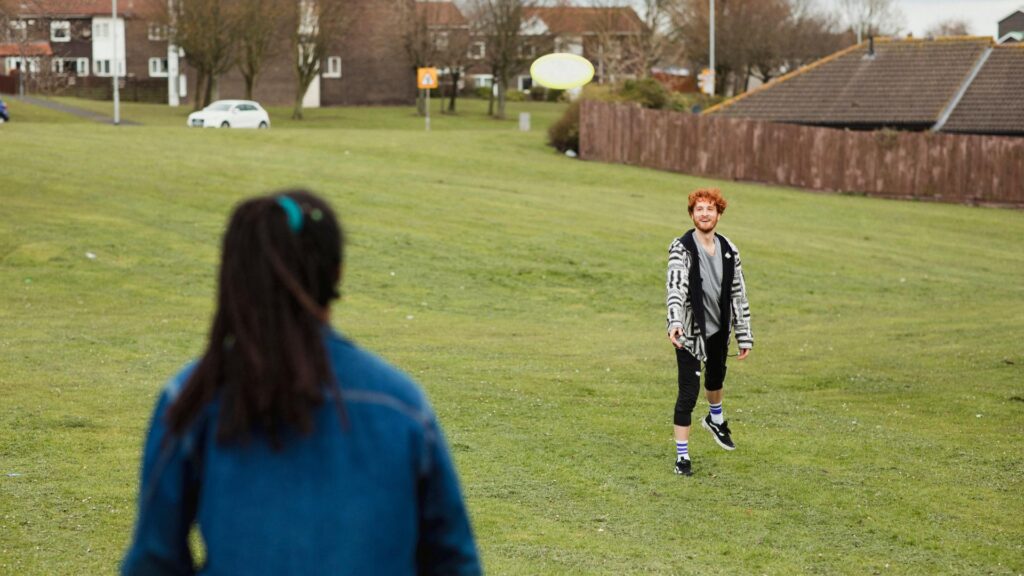
If you have played even one full tournament, you already know how quickly your arm can fade. Early throws feel crisp, confident, and effortless. By the final round, that same motion starts to feel heavier, slower, and less reliable. That drop does not come from a lack of talent. It comes from limited throwing endurance for Ultimate Frisbee. Long points, tight resets, and back-to-back games drain more than just your legs. They tax your mechanics, your focus, and your decision-making. Unlike raw arm strength, endurance decides whether your throws still hold shape late in long Ultimate Frisbee games. The goal here is simple: build endurance safely, protect your arm, and stay sharp when it matters most.
How to Build Throwing Endurance for Ultimate Frisbee
Improve Throwing Mechanics First
Before adding volume or tools, everything starts with clean mechanics. Efficient form reduces wasted effort, which directly supports throwing endurance for Ultimate Frisbee. When your wrist snap stays relaxed, your shoulder rotates smoothly, and your core drives the motion, each throw costs less energy. Poor mechanics force your arm to compensate, which accelerates fatigue and increases stress. Over time, that pattern leads straight to Ultimate Frisbee arm fatigue. Clean mechanics act like an energy-saving system. They allow you to throw more without feeling like you are forcing anything. When your motion feels smooth rather than powerful, you know you are protecting your arm for the long run.
Progressive Throwing Volume Training
Endurance does not appear overnight. It grows through steady exposure. Start by gradually increasing the number of throws in each session rather than throwing harder. Add volume in small steps so your body adapts without overload. During the off-season, you can push volume more aggressively because recovery time stays flexible. In-season training requires restraint. The goal shifts from growth to maintenance. This balance matters during long Ultimate Frisbee games, where overtrained arms often fail earlier than undertrained ones. Smart progression helps you improve throwing consistency without risking setbacks.
Strengthen Supporting Muscles
Your arm never works alone. Shoulder stabilizers, the rotator cuff, forearms, and core all share the load. When these muscles stay strong, they reduce strain on the throwing arm itself. Strong forearms support grip late in games, which directly affects accuracy. Core strength transfers power efficiently, keeping throws smooth even when your legs feel tired. This support system plays a major role in Ultimate Frisbee throwing stamina because it allows your arm to operate within safe limits rather than absorbing all the stress.
Conditioning for Game-Like Fatigue
Game endurance looks different from practice endurance. In real play, throws happen after sprints, stops, and direction changes. Training should reflect that reality. Try throwing after short cuts or shuttle runs so your body learns to stay composed under fatigue. This approach teaches you to maintain form when breathing hard, which mirrors late-game situations. Training under controlled fatigue builds confidence because when pressure hits during long Ultimate Frisbee games, your body already knows how to respond.
Training Tools That Support Throwing Endurance
Resistance Band for Shoulder Endurance

Resistance bands provide one of the safest ways to build endurance around the shoulder. They allow controlled movement that strengthens stabilizing muscles without heavy strain. Used correctly, bands prepare the shoulder for repetitive throwing while reducing injury risk. Bands also work exceptionally well during warm-ups and recovery. A short band routine before throwing activates key muscles and improves blood flow. After games, light band work supports recovery by keeping the joint mobile instead of stiff. Because bands weigh almost nothing, they travel easily. Tournament days often involve limited space and time. Having a band in your bag lets you protect your arm anywhere.
Grip Trainers for Forearm Stamina

Grip endurance quietly decides late-game success. As fatigue builds, forearms tire first, which affects touch and control. Grip trainers strengthen these muscles without stressing the shoulder. Regular grip work improves disc control late in points, especially for handlers who rely on quick releases. Stronger wrists maintain clean angles even when tired. Cutters also benefit because a stronger grip supports confident continuation throws. These tools work well during downtime. A few minutes each day adds up over weeks. That consistency directly supports throwing endurance for Ultimate Frisbee.
Massage Tool for Arm Recovery

Recovery plays just as big a role as training. Massage tools help reduce tightness that builds from repeated throwing. By improving blood flow, they speed up muscle repair and keep the arm feeling responsive. Between tournament rounds, quick recovery matters. A short massage session can restore mobility and reduce stiffness before the next pull. This approach keeps fatigue from stacking across the day. Used regularly, massage tools protect longevity. They allow you to train consistently without breakdown.
Common Mistakes Players Make When Training Throwing Endurance
- One of the biggest mistakes is throwing through pain. Discomfort signals fatigue, not weakness. Ignoring it only delays progress.
- Another issue comes from skipping recovery days, which leads to cumulative stress. Some players overtrain without fixing mechanics first, which compounds inefficiency. Others expect quick results and grow frustrated.
- Endurance grows gradually. Finally, copying professional routines without scaling volume often leads to burnout. Your body responds best to smart, personalized training.
Final Thoughts – Stay Sharp From First Pull to Universe Point
Throwing endurance is not about forcing power. It is about sustainability. When you train smart, your arm stays reliable deep into long Ultimate Frisbee games. Clean mechanics, gradual volume, and consistent recovery create confidence that shows late in tournaments. Patience matters. Progress builds quietly over weeks, not days. Trust that process. When the universe point arrives, and your arm still feels steady, you will know the work paid off.
